Why HEPA Matters for Allergies
Most robot vacuums advertise "HEPA-style" or "high-efficiency" filters. These are marketing terms that mean nothing. True HEPA filters capture 99.97% of particles as small as 0.3 microns — including:
- Dust mites (10-300 microns)
- Pet dander (0.5-100 microns)
- Pollen (10-100 microns)
- Mold spores (2-100 microns)
- Bacteria (0.3-60 microns)
But the filter is only half the battle. If the vacuum body isn't fully sealed, allergens escape through gaps and seams — defeating the entire purpose. All our picks have sealed airpaths that force 100% of air through the HEPA filter.
💡 Pro Tip: Self-Emptying is Non-Negotiable
Emptying a dustbin releases a cloud of allergens directly into your breathing space. Self-emptying bases with sealed bags (like AllergenLock) keep debris contained for 30-60 days. This single feature makes the biggest difference for allergy sufferers.
Best Value: iRobot Roomba j7+
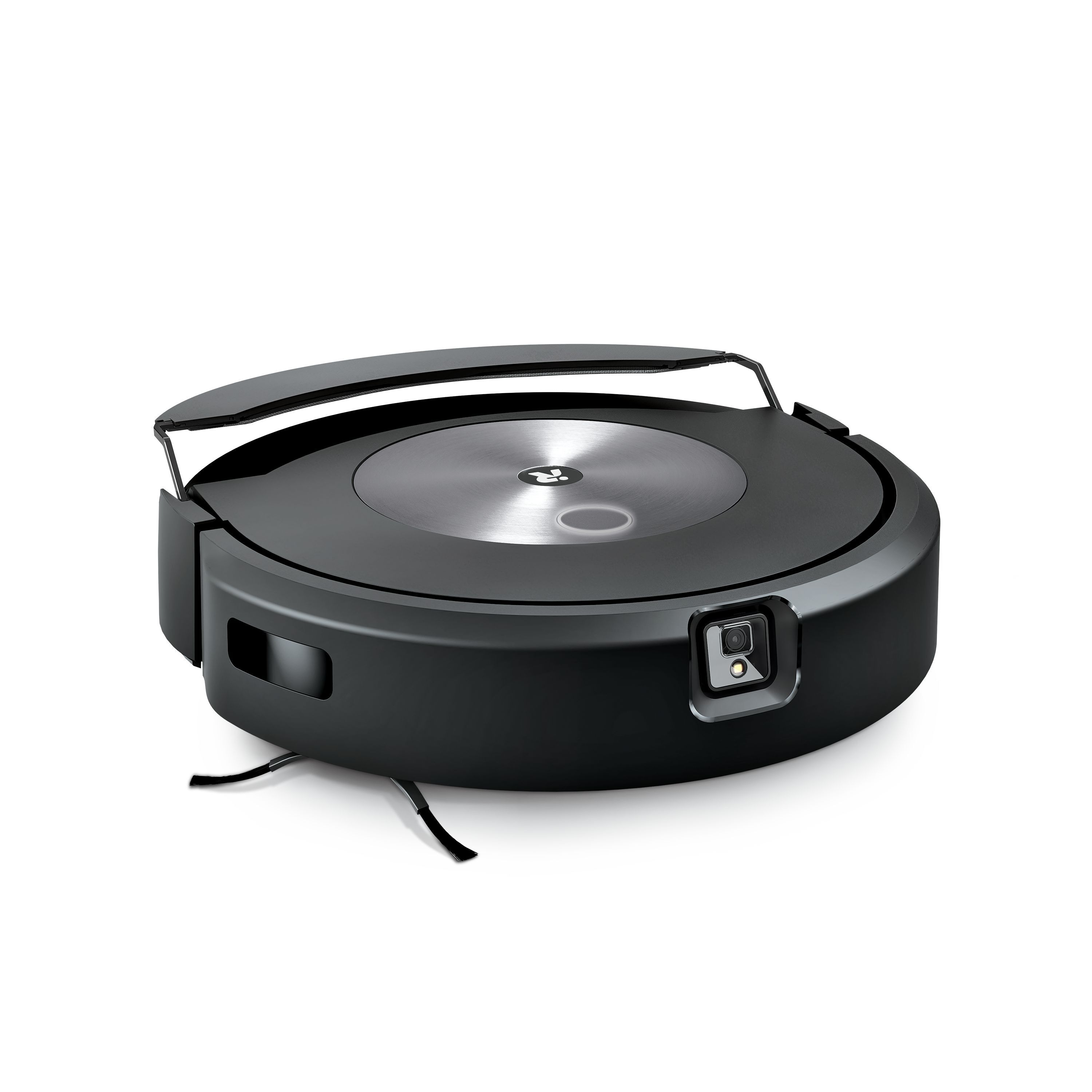
iRobot Roomba j7+
Same 3-stage HEPA filtration and AllergenLock bags as the S9+, but at a lower price. You sacrifice some suction power (10x vs 40x) and corner-reaching D-shape. For moderate allergies, this delivers 90% of the benefit at 60% of the cost.
When to choose j7+ over S9+: If your allergies are mild-to-moderate and your home is mostly hard floors, save $400 with the j7+. Choose the S9+ for severe allergies, deep carpets, or heavy pet hair.
Best Mop + Vacuum: Roborock S8 Pro Ultra
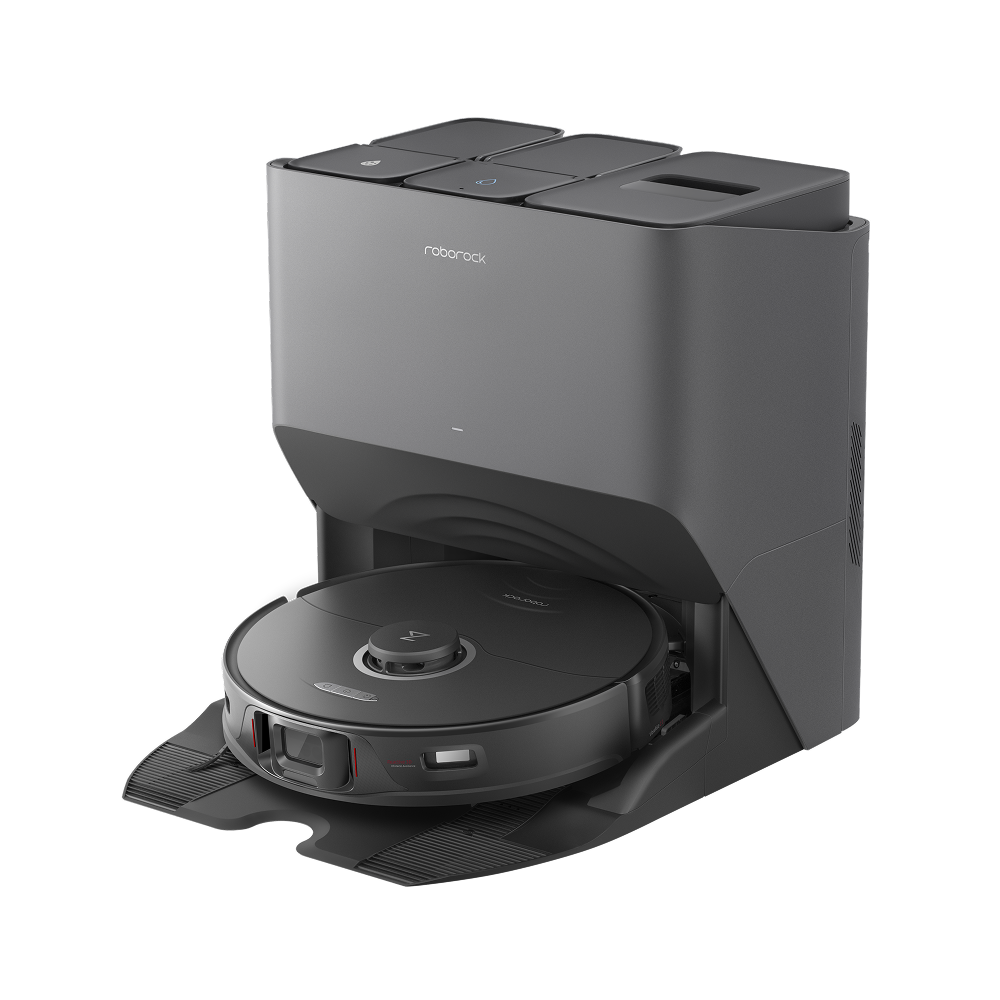
Roborock S8 Pro Ultra
HEPA filtration with the added benefit of wet mopping — crucial for removing allergens that vacuuming alone can't capture. The VibraRise mopping system lifts when it detects carpet. Self-empties, self-washes, and self-fills.
🧹 Why Mopping Helps Allergies
Vacuuming captures loose particles, but settled allergens can stick to hard floors. Wet mopping removes what vacuuming misses. Studies show homes with regular mopping have 50% lower dust mite counts. The S8 Pro Ultra does both in one pass.
Full Comparison
| Model | Price | HEPA | Sealed | Self-Empty | Mopping | |
|---|---|---|---|---|---|---|
| Roomba S9+ 🏆 | $999 | ✓ | ✓ | ✓ | ✗ | Buy |
| Roomba j7+ | $599 | ✓ | ✓ | ✓ | ✗ | Buy |
| Roborock S8 Pro Ultra | $1,399 | ✓ | ✓ | ✓ | ✓ | Buy |
| Dreame L20 Ultra | $1,499 | ✓ | ✓ | ✓ | ✓ | Buy |
Buying Guide: Allergies Edition
How Often Should Allergy Sufferers Vacuum?
Daily. Seriously. This is why robot vacuums are perfect for allergies — they can clean every day without requiring your time. Set it to run when you leave for work and come home to cleaner air.
Bagged vs Bagless Self-Emptying
For allergies, bagged is better. AllergenLock bags (Roomba) seal debris inside. Bagless bins (most other brands) require opening and dumping, which releases allergens. If you go bagless, empty it outside.
Replace Filters Regularly
HEPA filters lose effectiveness over time. Replace every 2-3 months for optimal allergen capture. Both Roomba models use the same filter, around $25 for a 3-pack.
Air Purifiers + Robot Vacuums = Best Combo
Robot vacuums capture settled allergens. Air purifiers capture airborne allergens. Together, they cover both vectors. Run your robot vacuum first, then let your air purifier clear what gets stirred up.
Our Verdict
For allergy sufferers, the Roomba S9+ is the best robot vacuum, period. Its combination of medical-grade HEPA filtration, fully sealed system, AllergenLock bags, and 40x suction power makes it the most effective allergen-capturing robot we've tested.
If you want mopping too, the Roborock S8 Pro Ultra is the best option — though you'll need to empty its bagless bin carefully.
On a budget? The Roomba j7+ delivers the same sealed HEPA system and bagged emptying at $400 less.